STUDY IN UK
A UK Student Visa enables international students to study at some of the world’s oldest and most prestigious universities, such as Oxford, Cambridge, and Imperial College London. Once approved, students can enjoy a world-class education with a wide range of courses across arts, science, technology, and business. UK degrees are highly valued globally, and the shorter course durations—three years for undergraduate and one year for master’s—save time and costs. The UK’s vibrant cities, rich heritage, and multicultural environment provide an exciting lifestyle, with plenty of entertainment, historic sites, and diverse communities. Students benefit from affordable options, travel opportunities across Europe, and university support services like orientation and career guidance. After graduation, students can stay and work in the UK for up to two years through the Graduate Route, with three years for PhD graduates.
Culture in United Kingdom
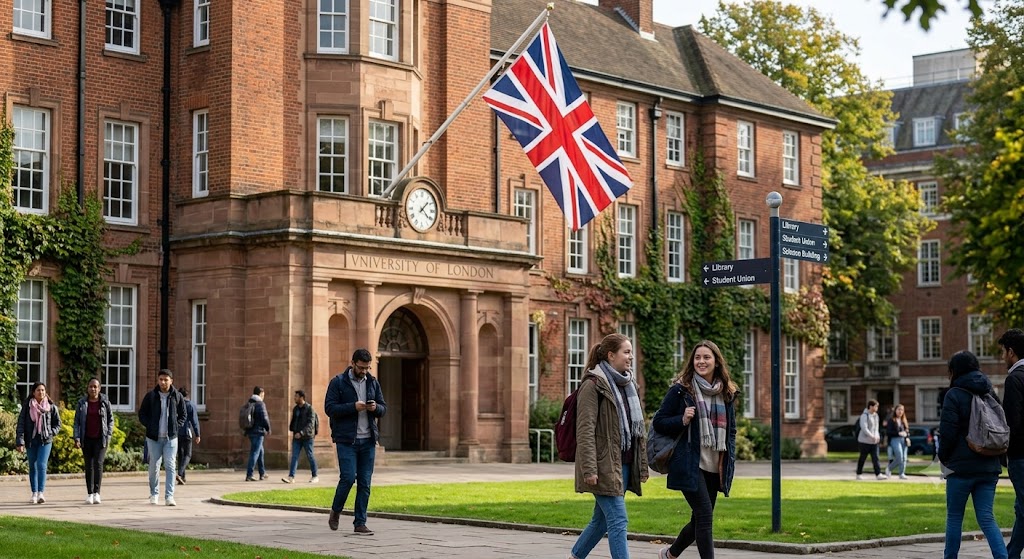
People in the UK are generally friendly and polite, with a strong sense of humor and an appreciation for social etiquette. They usually think that it’s important for people to have their own freedom, be able to do things on their own, and keep some things private. They also have a deep respect for tradition and history. Some of the most iconic aspects of British culture and traditions include the monarchy, teatime, pub culture, the London Underground, and the Beatles.
With a population of almost 68 million, the UK is not one of the world’s biggest countries. In fact, having a size just 60% of California, it only ranks 80th in the world. UK culture and traditions are “a melting pot of cultures”, with a long history of immigration and diversity. The Kingdom itself is actually made up of four different countries: England, Scotland, Wales, and Northern Ireland, and each of these four has its own cultural identity and unique traditions.

Cultural diversity in the UK
The UK is a diverse and multicultural society, with people from many different cultural backgrounds living and working in the country. Approximately 14% of the population of 68 million people belongs to an ethnic minority. Some of the largest cultural groups are from India, Poland, and Pakistan. This diversity is reflected in everything from food and music to arts and literature. Of all the cities in the UK, the highest diversity is in London, where 40% of the population comes from an ethnic minority background. Apart from the capital, Birmingham, Manchester, and Leicester are also great examples of high cultural diversity.
Languages spoken in the UK
English is the official language and by far the most commonly spoken, but there are also several other languages spoken throughout the country, like Welsh, Scottish Gaelic, and Irish Gaelic. At the same time, according to the London Museum, in the capital city, there are over 300 languages spoken today.
UK food culture
British food culture has influences from all over the world, and expat communities can often enjoy the taste of their home food in restaurants and shops across the UK. At the same time, some of the most iconic British dishes include fish and chips, bangers and mash, shepherd’s pie and roast beef and Yorkshire puddings. Fun fact: there are around 10,500 fish and chip shops in the UK today. But the British are also known for their love of tea, ale, and other alcoholic beverages.

Weather in the UK
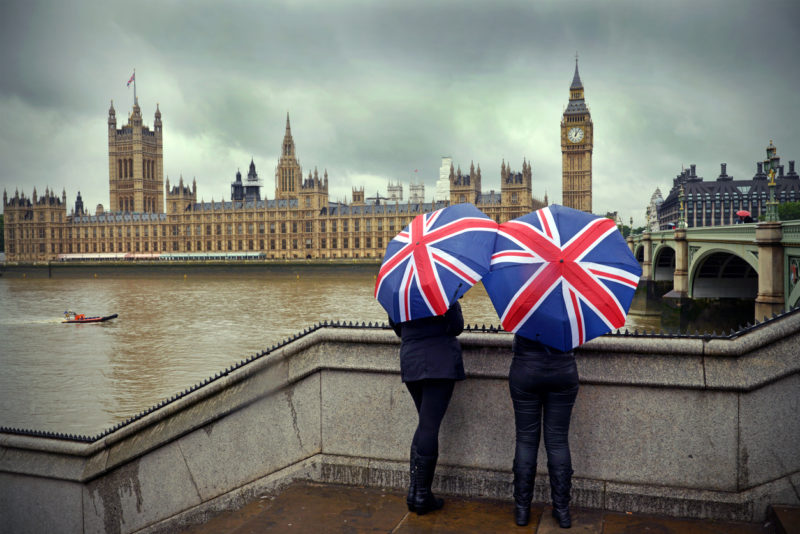
You probably know the UK has a reputation for being rainy because of its geography. Throughout the year, temperatures in the UK tend to vary between 10 and 20 degrees Celsius. You’ll enjoy the warmest and driest summers in the south-east of the country.
How to choose a university in United Kingdom?
Deciding where you want to study is a deeply personal choice, but there are a few general ideas you should consider. To make things simpler for you, we put together the following Choosing a university checklist:
- Think about which of the following experiences you want to have during your studies and choose what fits best with you:
- A big-city life and cultural diversity in large university hubs like London, Birmingham, or Manchester
- A more relaxed lifestyle where you could experience the more traditional aspects of British culture specific to smaller cities like Bath, York, or Southampton
- Decide how important a university’s reputation is to you:
- A high-ranking university, like the ones belonging to the Russell Group, will look more impressive on your CV because these are universities that have a reputation across the world for being very good and teaching the smartest and most talented Attempting one of them will give you more opportunities, but it will be harder to get in, more expensive, competitive, and more focused on academic results.
- A university that doesn’t rank as high will probably offer you a more inclusive and relaxed environment. These universities are often top quality as well, but less You will face easier admission and enjoy a more flexible schedule
- Read student reviews to learn how other students feel at that If you access a programme of study on our portal, you can read tens of student reviews for each study programme. And if you’re still in doubt, try chatting with students who are currently studying at universities you are interested in.
Research how well a university performs in your particular field of study by checking Meta-rankings in the UK, which combines the latest data from the most prestigious university ranking systems in the world.
What are the top student hubs in the UK?
The biggest student hub in the UK is of course London. The city was declared Best Student city by QS, and it has no less than 18 ranked universities. It’s huge – the third biggest city in Europe with a population of over 9,3 million people, multicultural, and very diverse.
But big-city life is only for some, and the UK offers many other excellent student hubs. In the North of England, you have Manchester with five big universities, BBC and ITV studios and many thriving businesses. Even further to the North, another thriving city full of charm and history is Edinburgh, Scotland’s capital, home to one of the best five universities in the UK.
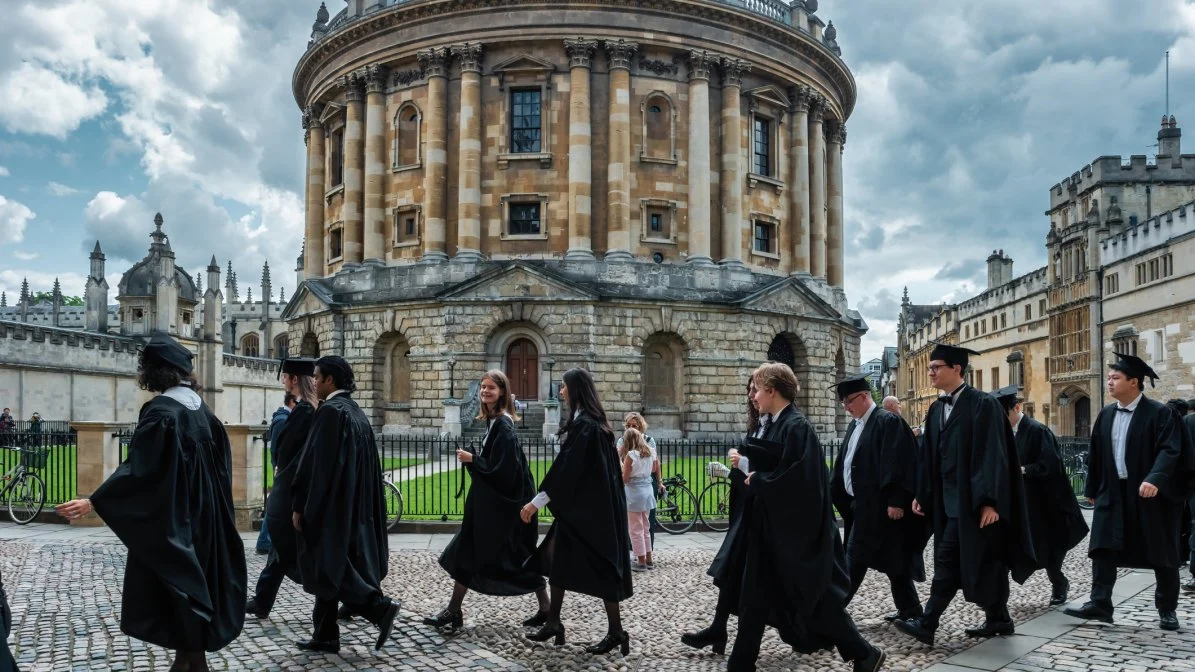
If you want your experience of studying in the UK to be even more relaxed, so you can enjoy that orderly and calm British life, consider the famous cities of Oxford and Cambridge, as well as Bath or Liverpool with their highly ranked universities.
Is United Kingdom safe?
The UK is generally considered a safe country: according to the latest data available from the Global Peace Index 2021, which ranks countries based on their level of safety and security, the UK is ranked as the 42nd safest country out of 163 countries worldwide.
Additionally, a survey conducted by the UK Council for International Student Affairs (UKCISA) in 2018 showed that 87% of international students in the UK felt safe living in the country. This was based on responses from over 2,000 international students.
Universities in the UK take the safety and security of their students very seriously, and many have dedicated support services and advice available to help students stay safe. However, like in any country, there are still some risks that students should be aware of, such as pickpocketing, petty theft, and online fraud. It’s good to remember some of these common-sense personal safety measures that you would use anywhere else in the world:
- Make sure you know the emergency numbers: 999 or 112
- Avoid dark corners or streets at night
- Pay extra attention when you take money out from ATMs
- Try not to walk around alone at night
- Be mindful of pickpocketing
Healthcare options
The healthcare system in the UK is called National Health Service (NHS), and to be able to access its services as an international student, you need to pay a £470 Healthcare surcharge along with your Visa application. This is enough to cover your healthcare needs.
Although more expensive, private providers are an alternative to the NHS and offer faster access to specialists and shorter waiting times. There are various private healthcare providers in the UK, including BUPA, AXA PPP, and Vitality Health, among others.
You may also get healthcare through your university, which may have its own healthcare facilities or partnerships with private providers.
Student insurance in United Kingdom
Your student Visa will cover your basic healthcare needs, however, you may prefer private insurance which will give you extra benefits like emergency assistance and money to support you in case of a long illness.
>>> Request an Aon Student Insurance online. For international students, researchers, Erasmus students and educational staff – we have the right insurance for your situation.
Support services available for international students
Your university is the most important place where you can find quality student support services during your university years. Examples of student support services include disability support, counselling and mental health, academic support, language support, orientation programmes, sexual harassment support, conflicts and violence support, and support services for special needs students.
Your university will have an International Office where you can access some of the above-mentioned services, like information about immigration, visas, funding your studies, employment regulations and opportunities.
Here are a couple of organisations providing support to international students:
- Student Minds, a charity meant to support students in the UK with all mental health
- The British Council, where you can also find a lot of information about everything to do with your international study experience.
Student organizations
There are several popular student organizations for international students in the UK, including:
- The Student Union is the most important student organization in the UK and will likely be part of the National Union of Students (NUS). The union is meant to protect students’ rights without being affiliated with the university where it The Student Union at your university is run by students and forms a great student community where you can easily get involved.
- UK Council for International Student Affairs (UKCISA), a charity created to support international students with advice and information in many areas, including Visas and Immigration, Fees and Money, Working, Preparation and Arrival, and more.
- The Erasmus Student Network (ESN) provides support for international students studying in Europe, including the UK. They offer a range of activities and events, including language exchanges, cultural trips, and social events.
- The International Students House (ISH): provides accommodation and support services for international students studying in London. They offer a range of services, including housing, social events, and academic
Things to do for students on a budget
One of the free things to do in the UK for students is go to the museum. There is a rich selection of awesome museums, and most of them have free entry. Museums in the UK are lively places, where kids are allowed to play and often enjoy interactive experiences. Head over here for a full list of museums in the UK.
You will also find many cheap things to do in the UK if you visit different cities or outdoor locations. The UK is not very big, which makes travelling easy and as an international student, you won’t want to miss the most famous and epic tourist destinations in the country.
Top 5 urban attractions:
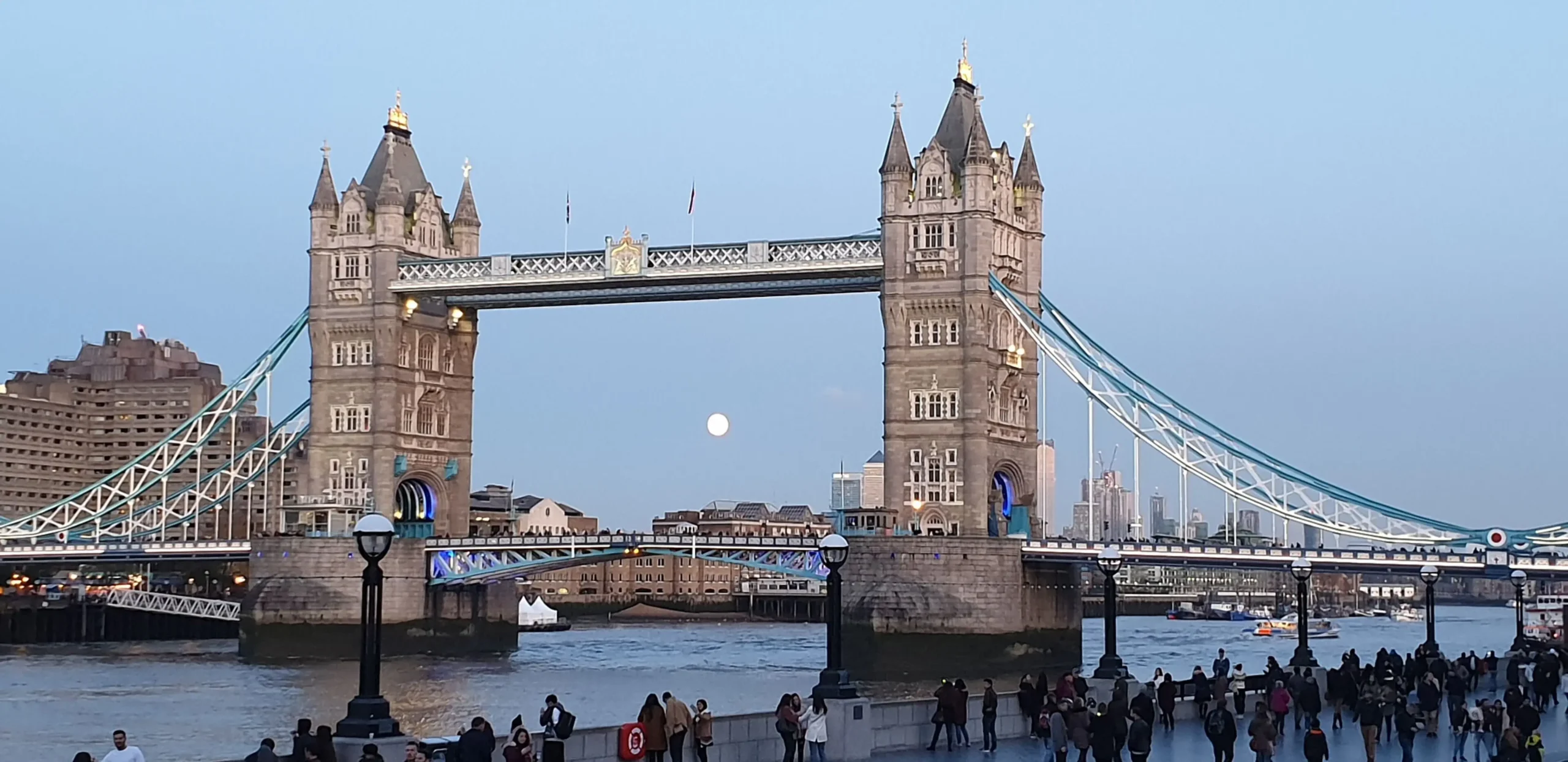
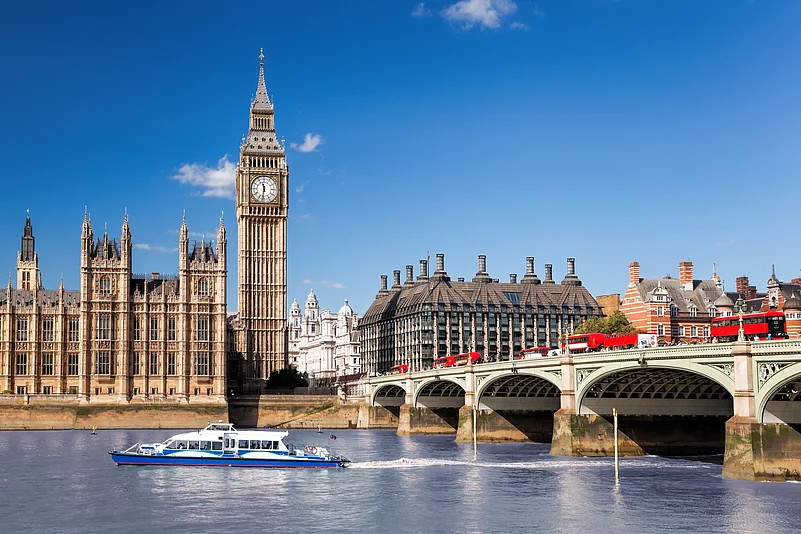
- Must-see landmarks in One of the most famous cities in the world, home for the British monarchy and many well-known icons like Big Ben and Buckingham Palace, the capital has so much to offer, from world-class (FREE) museums to zorbing on green hills.
- Roman heritage in Home to beautiful 2000 years-old Roman baths, Bath also showcases some great examples of Georgian architecture, a style dating from the 18th century, named after four British kings named George.
- Scottish medieval sights in You shouldn’t miss this awesome Scottish city, even if you can only visit it for one day. Edinburgh Castle sits in the middle of the city built atop an extinct volcano. You can also visit Gardens as well as the Camera Obscure and World of Illusions, where you’ll definitely have a lot of fun.
- See the famous location of The Canterbury Here you can visit the famous Canterbury Cathedral, the very first cathedral of England, the Roman Museum hosted inside an original Roman Villa, or the Franciscan Gardens, belonging to the first Franciscan Settlement in Britain.
See where Titanic took off in Southampton. You can see the Titanic Exhibition because Southampton was the home port of the Titanic, and the city has a fascinating exhibition about the ill-fated ship and its passengers. And keep the mood, you can continue by exploring the Sea City Museum which features interactive exhibits, artefacts, and stories about the city’s relationship with the sea.
Top 5 outdoor attractions
Keep these in mind for great adventures in nature after you’re done with those busy exams and assignments and need a taste of fresh air and wild beauty.
- The Lake District. Situated in the North of England, this is the largest national park in England where you can climb its highest mountain, Scafell The park is famous for its beautiful lakes, mountains, soft valleys, and sandy coastlines. It’s the perfect place for a late spring or summer adventure in nature. Don’t miss it.
- Scilly If you visit the gorgeous Isles of Scilly in summer, you might wonder if you’re still in Britain. Well, you are, although it looks like a tropical paradise.
- The Scottish Highlands. Snow covered mountaintops and old castles amid crystal clear lakes and an atmosphere of perfect peace. This is what you’ll find in the Scottish Highlands whether you go hiking in summer, skiing in winter, or horse-riding any time of the year.
- A famous prehistoric site in Salisbury, believed to have been built over a 1000-year period from 3000 BCE to 2000 BCE, which is still a big mystery for archaeologists. Stonehenge is an engineering masterpiece, a spiritual place, and still an inspiration for people today.
- Cotswolds. Here you can get lost into the charming British countryside, walk on the streets of pretty villages made of limestone and traditional market towns. The place is so beautiful; it was declared an Area of Outstanding Natural Beauty (AOBN).
Travelling in the UK
To get to your destinations, you can take a train or coach. The National Railway tends to be a bit more expensive, but you can travel on a budget with coach rides from National Express.
You can also buy a number of student cards which offer student travel discounts:
- Railcard which gives discounts for rail tickets if you are 16 to 25 years of
- 18+ Student Oyster photocardfor students living in London to get a 30% discount of Travelcards, as well as Bus&Tram season tickets.
- Young Persons Coachcardfor discounts when travelling with National Express coaches if you’re aged 16 to
- International Student Identity Card which gives discounts to international students for a bunch of things, not only travelling, but also food, entertainment, clothes, and more. The card is valid in 125 countries, not just the UK.
Living as an expat in United Kingdom
Once you graduate, the main thing that changes is that you will no longer have a study Visa so you’ll need to find a different type of Visa (such as a work visa or residency permit) in order to be able to stay in the country.
To be eligible for such a visa you will need a job offer from a UK employer. Once you’ve secured a job, the next step should be finding your expat apartment. As an expat in the UK you can use the National Health Service (NHS), but many choose to take out private health insurance as well.
Expat communities in the UK
The most represented countries in the expat communities in the UK are Poland, Republic of Ireland, India, Romania, and Italy. Followed by Portugal, Spain, Pakistan, Nigeria, and the USA.
Expats living in the UK can benefit from a supportive and vibrant expat community. UK expat forums and online communities can be a great place to connect with others like you, and to find advice on everything from finding housing to navigating the healthcare system.
Here are some useful resources:
- Expatica website where you can find a lot of useful information about living and working in the United Kingdom as an expat.
- InterNations website where you can connect with other expats in your city or
- HSBC guide and resources for expats (HSBC is a major bank in the UK)
- Expatwebsitewith a lot of information for expats around the
There is no one best place to live in the UK for expats. True, larger cities like London offer many social or cultural activities and job opportunities. But you may also consider a smaller city with a quieter pace of life.
United Kingdom Immigration rules
How your immigration status changes after graduation?
Once you graduate, your immigration status changes and you can no longer stay in the UK on a student Visa. To continue living there, you need to apply for a different kind of Visa or apply for citizenship if you already meet the requirements.
Types of Citizenship
- Apply for a new Visa depending on your circumstances after graduation:
Graduate Visa. This is the most common route for international students, which allows international students who completed a higher education course in the UK to stay in the in the country for up to 2 years.
Skilled Worker Visa. You can apply for this Visa if you have a work offer from a UK employer approved by the Home Office who can give you a “certificate of sponsorship” detailing your role which must fit in this list of occupations. The Visa is valid for up to 5 years and can be extended any number of times.
Global Talent Visa. This is for you if you can prove to be a leader in one of these fields: Arts and Culture, Academia and Research, Digital Technology. This Visa is valid for 5 years with the possibility to extend it if you still meet the conditions.
Start Up Visa. This isn’t the easiest Visa to get, but if you have an innovative idea for a business that doesn’t exist in the UK, you should try it. This Visa is valid for 2 years and cannot be extended.
Apply for Indefinite Leave to Remain (ILR)
Usually, you can get Indefinite Leave to Remain after you lived in the UK for 5 years continuously, but sometimes it can be even 3 or 2 years, depending on the type of Visa you had previously. You should apply for ILR as soon as you meet the required time period if you plan on gaining British citizenship.
Apply for British Citizenship
Once you had Indefinite Leave to Remain or Settled Status for a minimum of 12 months, you are eligible to apply for British Citizenship. You will also need to prove you English skills and pass the Life in the UK test where you will have to answer 24 questions about traditional practices and ways of life that have been passed down through generations in the UK.
To stay up-to-date on the latest UK immigration news for student visa, check the updates from UK immigration authorities. It’s also important to budget your immigrant visa application processing fee, which can be different based on your country of origin.
Immigration processing times
The processing time for immigration applications in the UK can vary depending on several factors such as the type of visa or permit being applied for, the volume of applications being received by the UK Home Office, and the complexity of the application itself.
Generally, the UK Home Office aims to process most visa applications within 3 weeks or less, but some applications may take longer. For example, applications that require additional documentation or information may take longer to process.
Continue your studies in United Kingdom
If you are an international student who will graduate from a UK university and would like to continue your studies in the UK, there are several options available to you:
- Pursue a Master’s degree: You can apply for a Master’s degree if you already have a Bachelor’s Apply through UCAS, the Universities and Colleges Admissions Service, or through individual university websites. Head over here to see over 1900 Master’s in the UK.
- Apply for a PhD: If you are interested in pursuing a research-based degree, and you already have a Master’s degree, you can apply for a Doctor of Philosophy (PhD) programme in the UK. Here’s a list of over 2000 PhDs in the UK.
- Apply for a postgraduate diploma or certificate: These shorter courses are designed to provide additional training or education in a specific field and can be completed in a shorter amount of time than a full degree
- Apply for a professional qualification: Professions such as law, medicine, or teaching require additional qualifications beyond a degree. You can apply for these professional qualifications through professional organisations or regulatory institutions.
Our Service Workflow:
We guarantee a smooth progression from initial inquiry to arrival. Here’s how we assist you:
Preliminary Consultation: Gain clarity on your objectives and evaluate your eligibility.
Program Guidance: Customized advice to choose the most suitable study programs and institutions.
Application Assistance: Support in completing and submitting your applications to selected universities.
Visa Support: Expert help in preparing and submitting visa applications, ensuring adherence to all legal requirements.

Click below to access the latest information on visa options, eligibility requirements,
application processes. CLICK HERE